

Lydia T.
Aircraft Maintenance Costs in Southern Nevada: Owner's Guide
A costly aircraft maintenance surprise often begins with a planning gap. An owner budgets for an annual inspection; after the panels come off and technicians review the logbooks, a discrepancy expands the work and the invoice.
Aircraft maintenance costs in Southern Nevada vary by aircraft, condition, records, and requested work. A useful budget combines scheduled inspections, labor, parts, outside services, upgrades, and a reserve for findings discovered after access or testing. At Vegas Aviation, we separate those categories so owners can evaluate estimates and approve changes with better context.
Start with the four costs that shape nearly every invoice
An informative estimate separates predictable work from variable findings. For most owners, the total falls into four practical categories:
| Budget category | What it can include | What changes the cost |
|---|---|---|
| Scheduled work | Annual or applicable 100-hour inspections, oil changes, recurring checks | Aircraft model, inspection program, access time, and logbook history |
| Corrective work | Troubleshooting and discrepancy correction | What technicians find, labor required, and parts availability |
| Parts and outside services | Filters, tires, batteries, components, specialty testing, freight | Part condition, lead time, shipping, and vendor pricing |
| Improvements | Avionics installations, upholstery, or planned upgrades | Equipment choice, installation complexity, approvals, and downtime |
The inspection charge and discrepancy corrections belong in separate budget lines. A clean inspection may stay close to the planned scope, while corrosion, worn components, incomplete records, or deferred discrepancies can expand the work. Our aircraft maintenance team can build an estimate around the aircraft, its records, and operating profile.
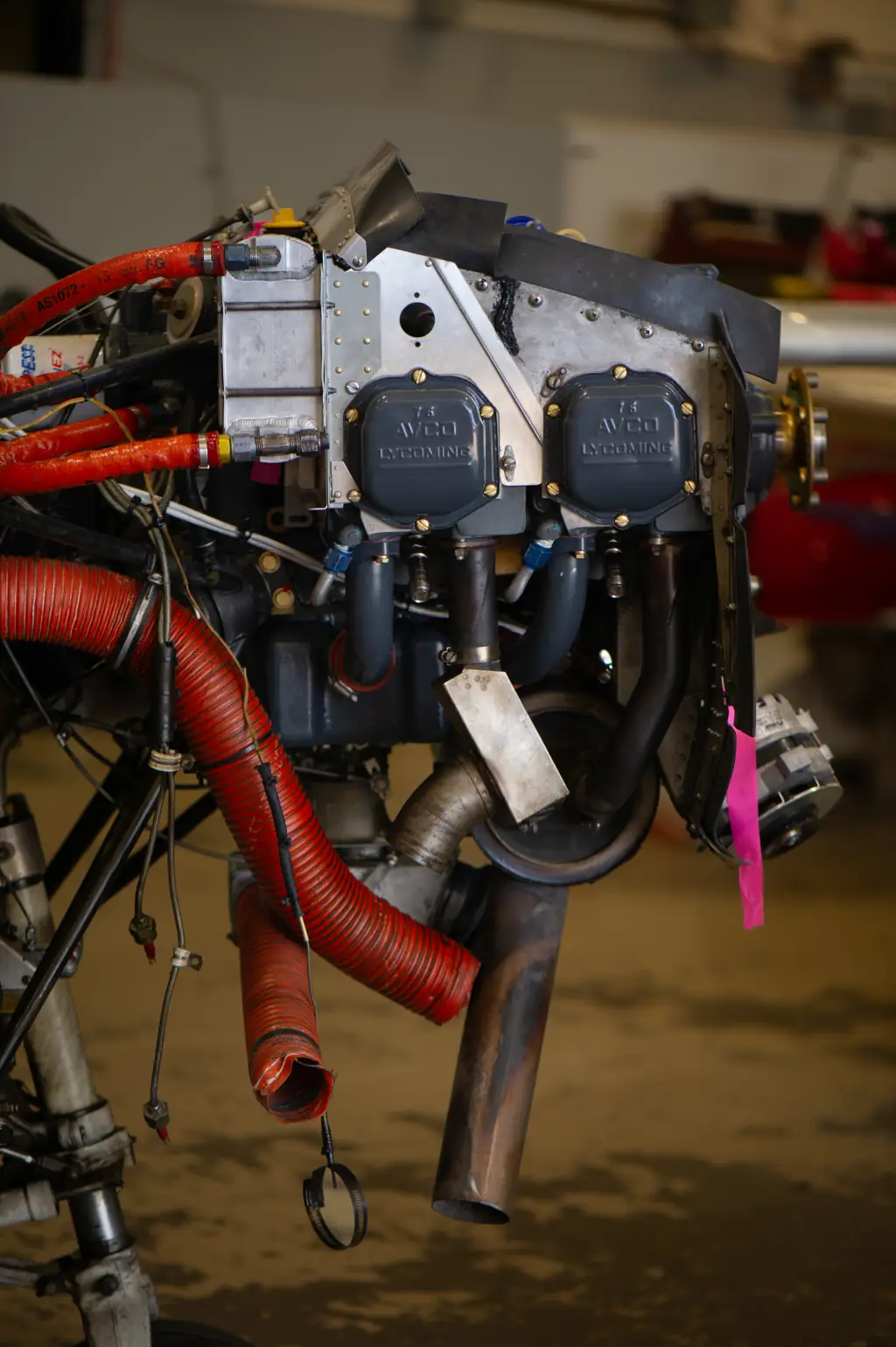
Opening the aircraft for inspection can reveal condition, access, parts, and labor needs that shape the final maintenance cost.
Put hourly labor rates in context
Our labor rates give Southern Nevada owners a useful starting point:
| Service category | Starting rate |
|---|---|
| Piston aircraft | $125/hr |
| Turbine aircraft | $145/hr |
| Avionics | $135/hr |
| Aircraft-on-ground (AOG) | $145/hr |
These rates cover labor. Parts, consumables, outside services, inspection findings, freight, and the final scope can change the invoice. Rates and availability may also change, so review our maintenance service information and request an aircraft-specific estimate before scheduling.
Hourly rates are most useful when the scope is equally clear. Ask what work is included, which findings require authorization, how parts will be handled, and when the shop will pause to discuss a change. This context supports a meaningful shop-to-shop comparison.
Budget around the way your aircraft is actually operated
Aircraft ownership includes primary responsibility for keeping the aircraft airworthy and its maintenance records current. For many privately operated aircraft, the annual inspection is the main recurring inspection milestone. Aircraft used in certain for-hire operations may have additional inspection requirements, including applicable 100-hour inspections.
Your operating profile also shapes the maintenance plan. Flight frequency, storage, aircraft age, installed equipment, known discrepancies, and recent utilization all matter. In Southern Nevada, discuss exposure to heat, sun, dust, and long periods on the ramp. These conditions can influence routine-care priorities, even though each aircraft’s storage and operating history differs.
Before the appointment, bring complete logbooks and a written discrepancy list. Note when a symptom appears, which phase of flight or engine condition is involved, and whether it is intermittent. Better information can make troubleshooting more focused and help the shop give you a clearer approval point.
For additional ownership planning, our aircraft insurance resources can help you review another major fixed-cost category alongside maintenance.
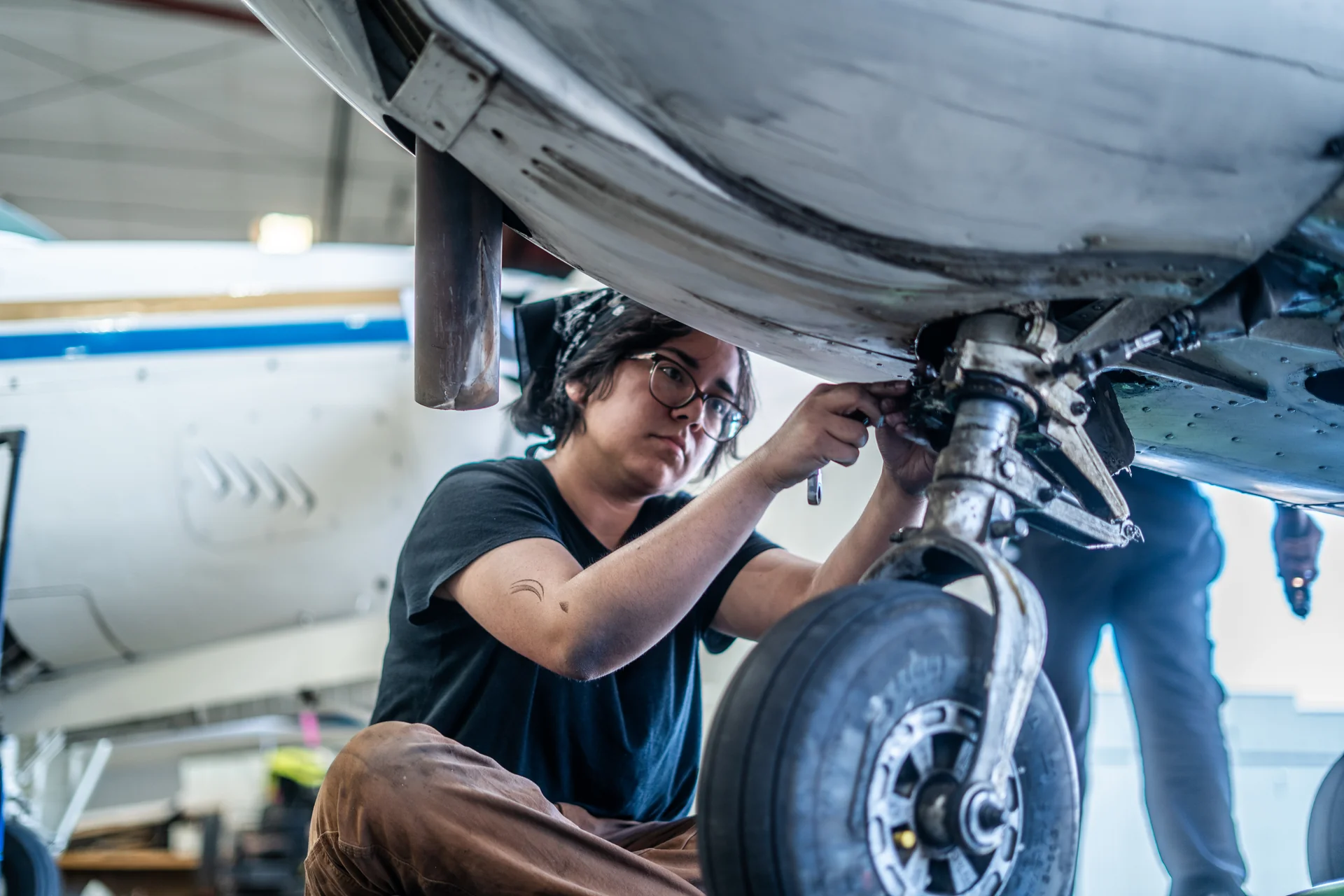
Aircraft condition, utilization, storage, and operating environment help determine which components need attention.
Build a reserve that can absorb findings without grounding your plans
A practical maintenance budget has two layers: funding for known recurring work and a reserve for unscheduled findings. Set the reserve from the aircraft’s age, condition, records, parts support, utilization, and prior invoices. A recently restored airplane with strong documentation presents a different risk profile from an older aircraft with deferred items.
Use your own invoices to improve the number. Track labor, parts, freight, outside services, and downtime separately. After several maintenance events, patterns become easier to see, and you can adjust the reserve using your aircraft’s history instead of a generic national average.
Major upgrades deserve their own plan. If you are considering financing for avionics or a larger repair, confirm the lender’s terms and eligible costs before authorizing the work. Financing affects timing and cash flow while the approved maintenance scope remains the same.
A useful estimate should make the next decision obvious
Before approving work, you should be able to identify the expected scope, labor basis, anticipated parts, authorization threshold, and communication plan. A clear estimate should explain what happens when the scope changes, even though technicians cannot predict every inspection finding.
Use these questions when you contact our maintenance team:
- What inspection or service scope fits this aircraft and operation?
- Which known discrepancies should be included in the initial estimate?
- How will additional findings be documented and approved?
- Are specialty services or outside vendors likely to be involved?
- What records, equipment lists, or prior invoices should arrive with the aircraft?
- What is the current schedule for the requested work?
That information helps both owner and shop begin with the same picture. It also makes later choices (repair, replace, upgrade, or defer when legally permissible) more deliberate.
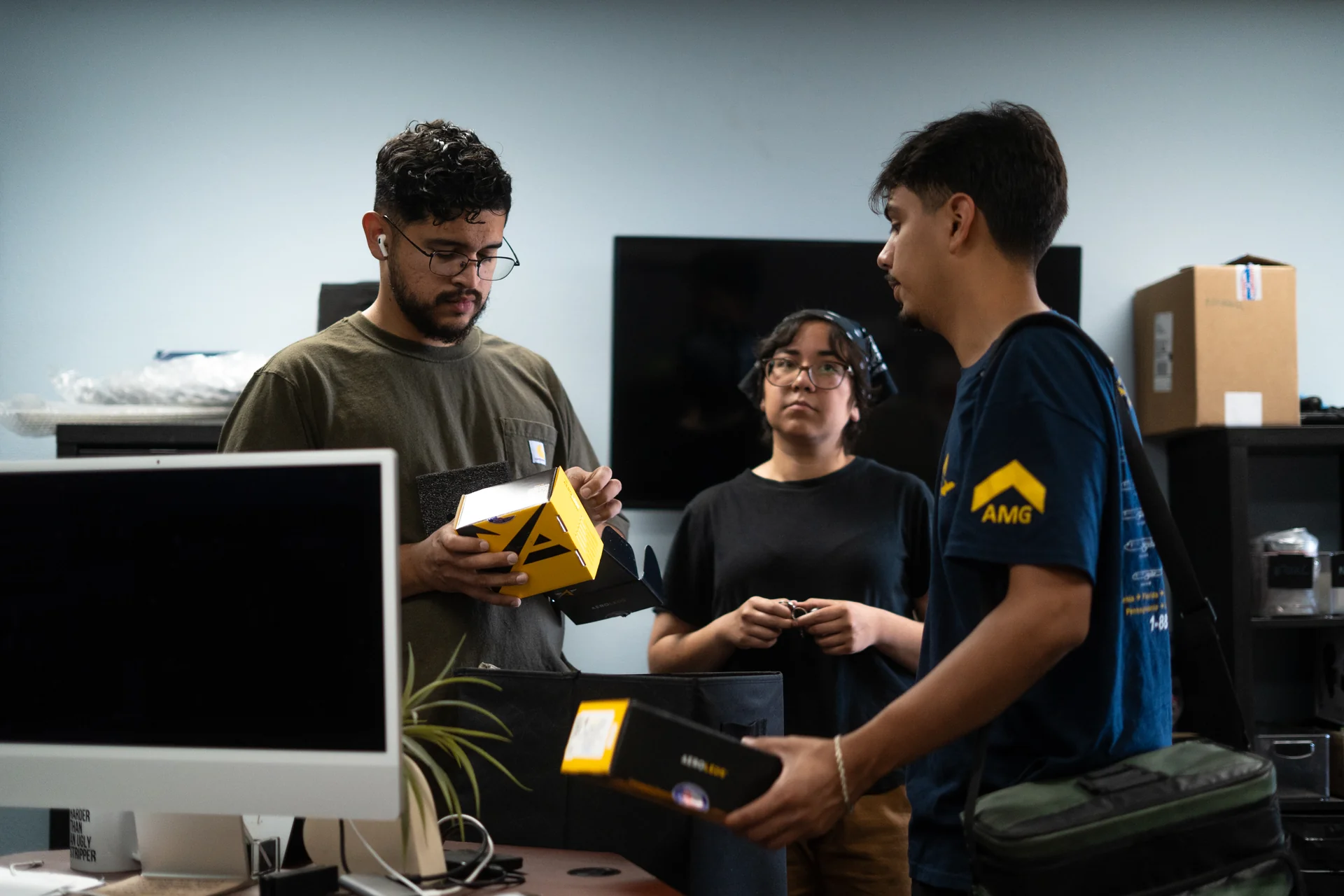
Clear communication about parts, scope changes, and authorization points helps owners evaluate added work.
Common aircraft maintenance cost questions
How much does an annual inspection cost in Southern Nevada?
There is no responsible single price for every aircraft. Aircraft type, records, access time, condition, and inspection findings all affect the total. Request an estimate that separates the inspection scope from discrepancy correction, parts, and outside services. Our maintenance service page is the best place to start.
Is a 100-hour inspection required for every privately owned aircraft?
No. The applicable inspection schedule depends on the aircraft and how it is operated. For example, 100-hour requirements commonly matter in certain for-hire operations. We can help you discuss the maintenance scope, while the owner or operator remains responsible for understanding the requirements that apply. Review our aircraft services before you contact the team.
Why can the final invoice exceed the initial estimate?
An inspection can reveal discrepancies that were not visible before panels were removed, systems were tested, or records were reviewed. Clear authorization checkpoints allow you to understand added work before it moves forward. Use our contact form to share the aircraft details and known discrepancies up front.
Are parts included in the hourly labor rate?
The posted rate describes labor. Parts, freight, consumables, outside services, and other job-specific items can affect the total. Ask for those categories to be separated in your estimate. You can find the current labor categories on our aircraft maintenance page.
How can owners reduce avoidable maintenance surprises?
Keep records organized, report symptoms early, follow the applicable inspection schedule, and avoid allowing small discrepancies to accumulate. Early attention can reduce the chance that a minor issue grows, though no maintenance plan eliminates unexpected findings.
Does Vegas Aviation work on more than piston aircraft?
Yes. Our maintenance services include piston aircraft, turbine aircraft, avionics, inspections, repairs, upgrades, and AOG support. Availability depends on the aircraft and requested scope, so send the details through our contact form.
Get a maintenance estimate built around your aircraft
Build the budget around your aircraft, records, operating profile, and requested work. Our certificated A&P and IA maintenance team supports owners with routine service, inspections, avionics, repairs, and AOG needs at North Las Vegas Airport.
Request aircraft maintenance service and share your aircraft model, requested work, known discrepancies, and preferred timing so our team can help define the next step.


