

Lydia T.
How to Prepare for an Aircraft Annual Inspection
Your annual inspection month is approaching, the aircraft is flying well, and its logbooks are split between the hangar cabinet and your home office. Organizing the appointment now can reduce delays once the aircraft enters the shop.
This aircraft annual inspection checklist for owners covers three essentials: complete records, precise descriptions of known issues, and an agreed process for new findings. Preparation cannot reveal every discrepancy in advance, but it gives the maintenance team a useful picture of the aircraft, its history, and your priorities.
Start with the inspection status that applies to your aircraft
The owner or operator has primary responsibility for maintaining an aircraft in an airworthy condition. For aircraft subject to the standard annual-inspection rule, the annual must have been completed within the preceding 12 calendar months. Other inspection requirements or approved inspection programs may apply depending on the aircraft and how it is operated.
Before choosing a date, identify the current inspection status and talk with the shop about the scope that fits your aircraft. Our aircraft maintenance services include annual and 100-hour inspections, but those terms are not interchangeable for every operation.
Review 14 CFR 91.409 for the federal inspection framework. Your mechanic can help apply the current requirements and manufacturer information to the aircraft in front of them.
Before you schedule:
- Confirm the aircraft registration and operating category.
- Identify the current inspection program and annual due month.
- Share the aircraft make, model, serial number, engine, propeller, and installed equipment information requested by the shop.
- Tell the shop how the aircraft is used, including any operation that may trigger additional inspection requirements.
- Discuss scheduling early enough to account for shop capacity, parts, and possible findings.
Put the aircraft records in working order before the appointment
Give the maintenance team the records needed to understand the airframe, engine, propeller, installed equipment, prior inspections, alterations, and recurring requirements before the aircraft enters the hangar.
Aircraft records are an ongoing ownership responsibility. The FAA requires records covering maintenance and inspection status, and owners/operators are responsible for ensuring compliance with applicable Airworthiness Directives, commonly called ADs. The FAA’s owner and mechanic responsibilities guidance explains the broader framework.
Bring or securely provide:
- Airframe, engine, and propeller logbooks, plus applicable appliance or component records
- The latest annual-inspection entry and current inspection-status information
- Current AD status, including the method of compliance and next due point for recurring actions
- Major repair and alteration records, including applicable FAA Form 337 documentation
- Supplemental Type Certificate records and Instructions for Continued Airworthiness when applicable
- Equipment lists, weight-and-balance information, and relevant manufacturer maintenance information
- Recent oil-analysis, compression, borescope, or troubleshooting reports if available
If you discover a missing period or unclear entry, flag it before induction. Preserve the original record and identify the gap instead of filling it with assumptions. Our aircraft-owner cost guide explains how record history can influence scope, troubleshooting time, and budget planning.
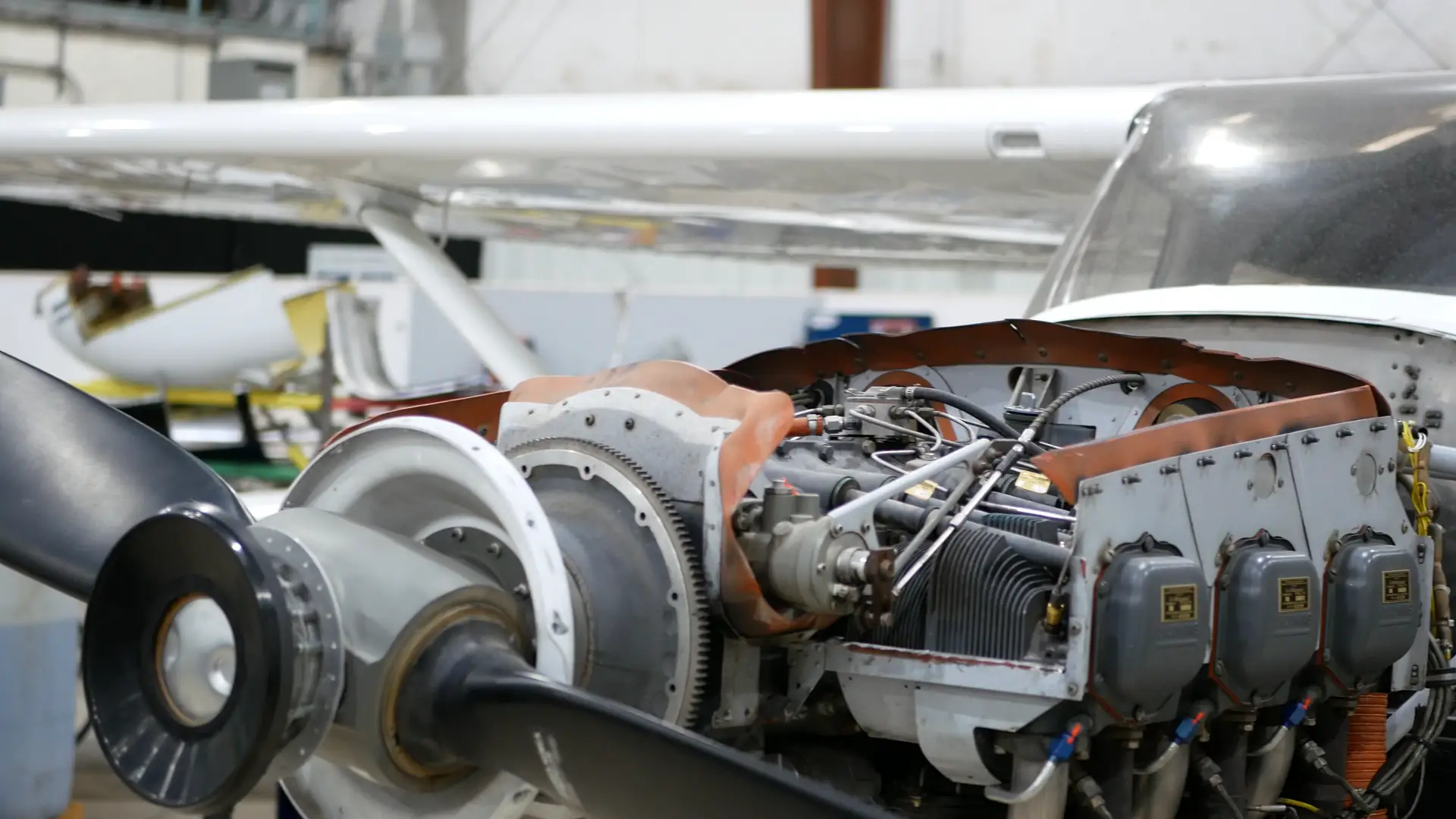
Organized maintenance records give technicians important context when the physical inspection begins.
Turn every squawk into a useful troubleshooting note
“The radio acts strange” is difficult to reproduce. “COM 1 develops static after about 20 minutes, especially while transmitting” gives the technician a system, operating condition, and time pattern.
Build a written discrepancy list (often called a squawk list) during the weeks before the annual inspection. Include intermittent and minor concerns. The inspection follows its required scope, while your notes help the team investigate symptoms that may disappear in the shop.
For every item, record:
- A detailed description of what you noticed
- When it started and whether it is becoming more frequent
- The phase of operation: cold start, taxi, run-up, climb, cruise, descent, or shutdown
- Relevant engine indications, switch positions, fuel-tank selection, or avionics configuration
- Weather or temperature conditions if they appear relevant
- Whether another pilot experienced the same behavior
- Photos or a short video when they safely capture the symptom
Separate known discrepancies from optional improvements. A weak transmit signal belongs on the discrepancy list; a desired panel rearrangement belongs on an upgrade list. If avionics work may make sense while the aircraft is down, our maintenance team can discuss whether combining scopes is practical.
Agree on approvals before the panels come off
An annual inspection has a defined purpose, but the final invoice cannot always be known before the aircraft is opened and inspected. A discrepancy may require more diagnosis, a replacement component, outside service, or a larger repair decision.
Ask how the shop will communicate and obtain approval when the original scope changes. Before induction, discuss:
| Planning item | What to clarify |
|---|---|
| Initial scope | What the quoted inspection work includes |
| Known discrepancies | Which reported issues are included in the initial work order |
| Authorization threshold | When the shop will pause and contact you before added work |
| Parts | How availability, freight, alternatives, and owner approval will be handled |
| Outside services | Whether specialty testing or another vendor may be needed |
| Communication | Who can approve work and the best way to reach that person |
| Completion | How open items, records, payment, and aircraft pickup will be coordinated |
Preparation can reduce avoidable confusion, although aircraft condition, findings, parts availability, and approved repair data still determine the final cost and completion date. Use our Southern Nevada maintenance-cost guide to build a reserve and understand how hourly labor differs from a fixed job price.
If you are also paying for flight training, keep that budget separate from the aircraft’s required maintenance reserve. Our financing resources are designed for flight training; contact the maintenance team directly to discuss the payment expectations for aircraft work.
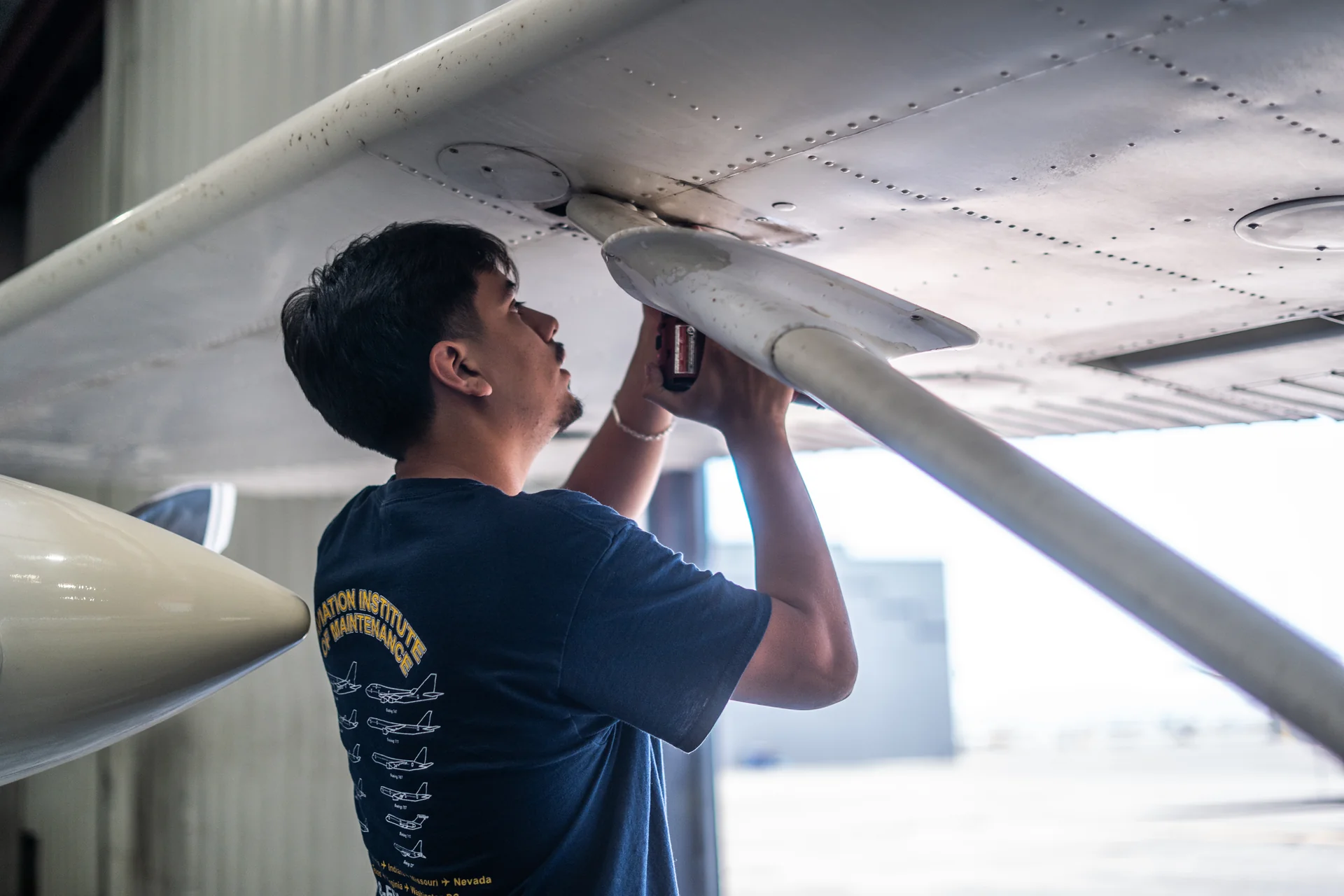
Inspection findings can change the work scope, making clear authorization points essential for the owner and maintenance team.
Prepare the aircraft without disturbing inspection evidence
A clean, accessible aircraft helps the appointment start well, but avoid dismantling, treating, or masking anything unless the shop has asked you to do so. A fresh coating, an unrecorded adjustment, or a wiped-away leak can remove useful evidence.
Coordinate the arrival details with our maintenance team, then:
- Remove personal items, baggage, portable electronics, and unsecured cabin contents.
- Locate keys for the aircraft, baggage doors, fuel caps, and external locks.
- Remove covers and tie-down equipment if the shop requests it.
- Make sure the aircraft has the fuel quantity the shop requested.
- Bring the discrepancy list and records in the agreed format.
- Identify any special starting, towing, security, or equipment procedures.
- Point out active leaks, damaged fasteners, unusual sounds, or other visible concerns rather than cleaning away the evidence.
Cosmetic preparation should never disturb evidence or include unauthorized maintenance. The FAA’s general aviation aircraft inspection guidance can familiarize an owner with inspection concepts; airworthiness determinations still belong to appropriately authorized personnel.
Review the records before the next flight
When the work is complete, the handoff deserves as much attention as the induction. Review what was inspected, what maintenance was performed, which components or consumables were installed, and whether any follow-up action remains.
Before accepting the aircraft, use this closeout list:
- Review the maintenance-record entries and the aircraft’s return-to-service status.
- Compare completed work with the approved work order and invoice.
- Ask for an explanation of replaced parts, test results, and significant findings.
- Record the next due points for recurring inspections, AD actions, or component service.
- Confirm that keys, covers, loose equipment, and records are returned.
- Conduct a deliberate preflight, paying particular attention to areas that were opened, disconnected, adjusted, or serviced.
- Raise any question before departure rather than trying to resolve it from the cockpit.
Our broader aircraft maintenance services include repairs, avionics work, and related support when an annual reveals a need beyond the initial inspection scope.
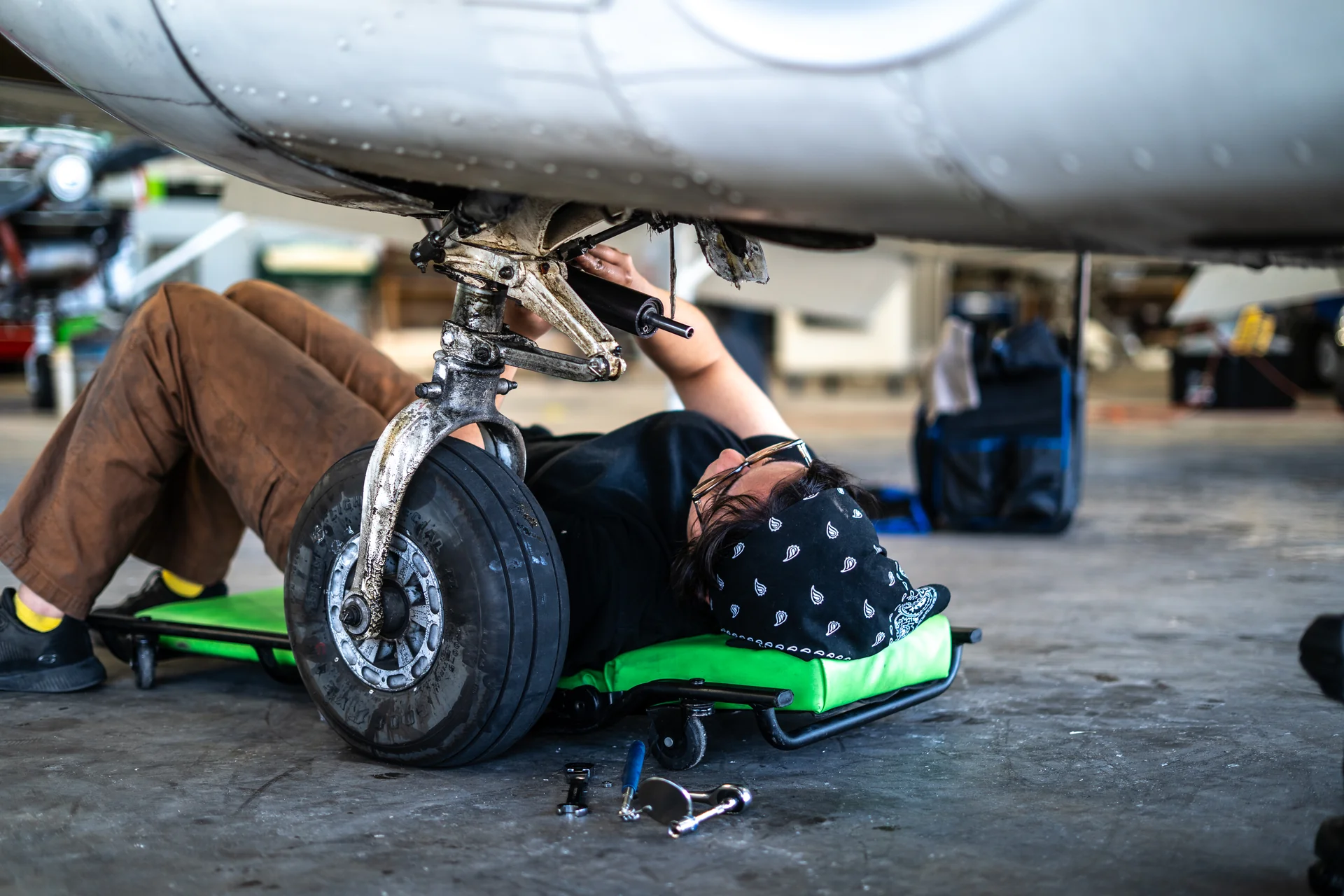
After maintenance, review the records and give opened, disconnected, adjusted, or serviced areas extra attention during preflight.
Save this owner checklist for your next annual
Use this condensed list when the due month begins to approach:
- Confirm the applicable inspection program and due status.
- Schedule with enough lead time for the expected scope.
- Gather airframe, engine, propeller, and relevant component records.
- Organize current inspection and recurring AD status information.
- Collect alteration, STC, and Instructions for Continued Airworthiness records.
- Write a specific discrepancy list with operating conditions and supporting media.
- Separate required work, troubleshooting, and desired upgrades.
- Agree on the initial scope and authorization threshold.
- Confirm arrival instructions, fuel expectations, keys, and aircraft access.
- Remove personal and unsecured items.
- Review maintenance entries, return-to-service status, invoice, and future due items.
- Complete a deliberate post-maintenance preflight.
Keep this checklist with your aircraft-planning records and contact us with any questions that remain.
Aircraft annual inspection questions owners often ask
Is an annual inspection due on the exact anniversary date?
For aircraft operating under the standard rule in 14 CFR 91.409(a), the annual must have been completed within the preceding 12 calendar months. Requirements may differ with the aircraft or operation, so confirm the inspection status with our maintenance team before planning a flight near the due month.
What logbooks should I bring?
Bring the records for the aircraft, engine, propeller, and applicable installed equipment, including inspection status, AD history, alterations, and recurring actions. If your records are split across paper and digital systems, tell our maintenance team how they are organized before the appointment.
Should I fix small problems before the annual?
Report them rather than hiding or casually adjusting them. A precise symptom description helps the technician understand where to begin. Our maintenance services can address known discrepancies under an agreed work scope.
Does the annual-inspection price include every repair?
Not necessarily. Inspection work and correcting findings can involve different labor, parts, and approvals. Our maintenance-cost guide explains why an aircraft-specific estimate should separate expected work from variable findings.
Can an owner perform the annual inspection?
This checklist prepares an owner for the appointment; it does not authorize someone to perform or approve an annual inspection. Contact our A&P and IA maintenance team to discuss the inspection your aircraft requires.
What should I check after maintenance?
Review the records and return-to-service status, understand the completed work, and perform a careful preflight with extra attention to serviced areas. If something is unclear, contact our team before departure.
Give the shop a clear aircraft history
Effective preparation gives the shop a clear aircraft history: complete records, specific discrepancies, realistic authorization points, and an owner who is available when a decision is needed.
We provide annual inspections and aircraft maintenance through our A&P and IA team at North Las Vegas Airport. Request maintenance and include your aircraft model, annual due month, known discrepancies, and preferred timing so we can help define the next step.


