

Lydia T.
IMSAFE and PAVE Checklists for Pilot Decision-Making
An airplane can pass its preflight inspection while the planned flight still deserves a no-go decision. A tired pilot, building afternoon winds, a heavy load, and a passenger deadline may each seem manageable. Together, they can leave too little safety margin.
Pilots use the IMSAFE and PAVE checklists for aeronautical decision-making to examine that complete risk picture. IMSAFE checks physical and emotional readiness. PAVE expands the review to the Pilot, Aircraft, enVironment, and External pressures. Together, the checklists help expose hazards before a crew becomes committed to departure. The same judgment skills develop throughout Private Pilot training and appear in FAA checkride scenarios.
Run the IMSAFE checklist before flight
The IMSAFE checklist is a preflight inspection for the pilot. In the FAA version used here, the letters stand for:
| Letter | Check | The question |
|---|---|---|
| I | Illness | Do I have symptoms, or am I recovering from something that could reduce my performance? |
| M | Medication | Am I taking any prescription or over-the-counter medication that could affect judgment, alertness, coordination, or vision? |
| S | Stress | Is work, money, family, training, or another concern consuming attention I will need in the cockpit? |
| A | Alcohol | Could alcohol or its aftereffects still impair me? |
| F | Fatigue | Am I rested enough for the workload, conditions, and length of this flight? |
| E | Emotion | Am I angry, anxious, upset, distracted, or unusually eager to prove something? |
The checklist works only when its answers can influence the plan. Feeling “a little tired” may lead you to delay the lesson, shorten the route, switch to ground study, or reschedule.
Medication deserves special care. A familiar label does not make a drug compatible with flight, and the condition being treated may matter too. Use current FAA pilot guidance and consult an Aviation Medical Examiner when you have a medication or medical-fitness question. Our FAA medical exam guide can help you understand where aeromedical planning fits into training, but it cannot clear an individual pilot to fly.
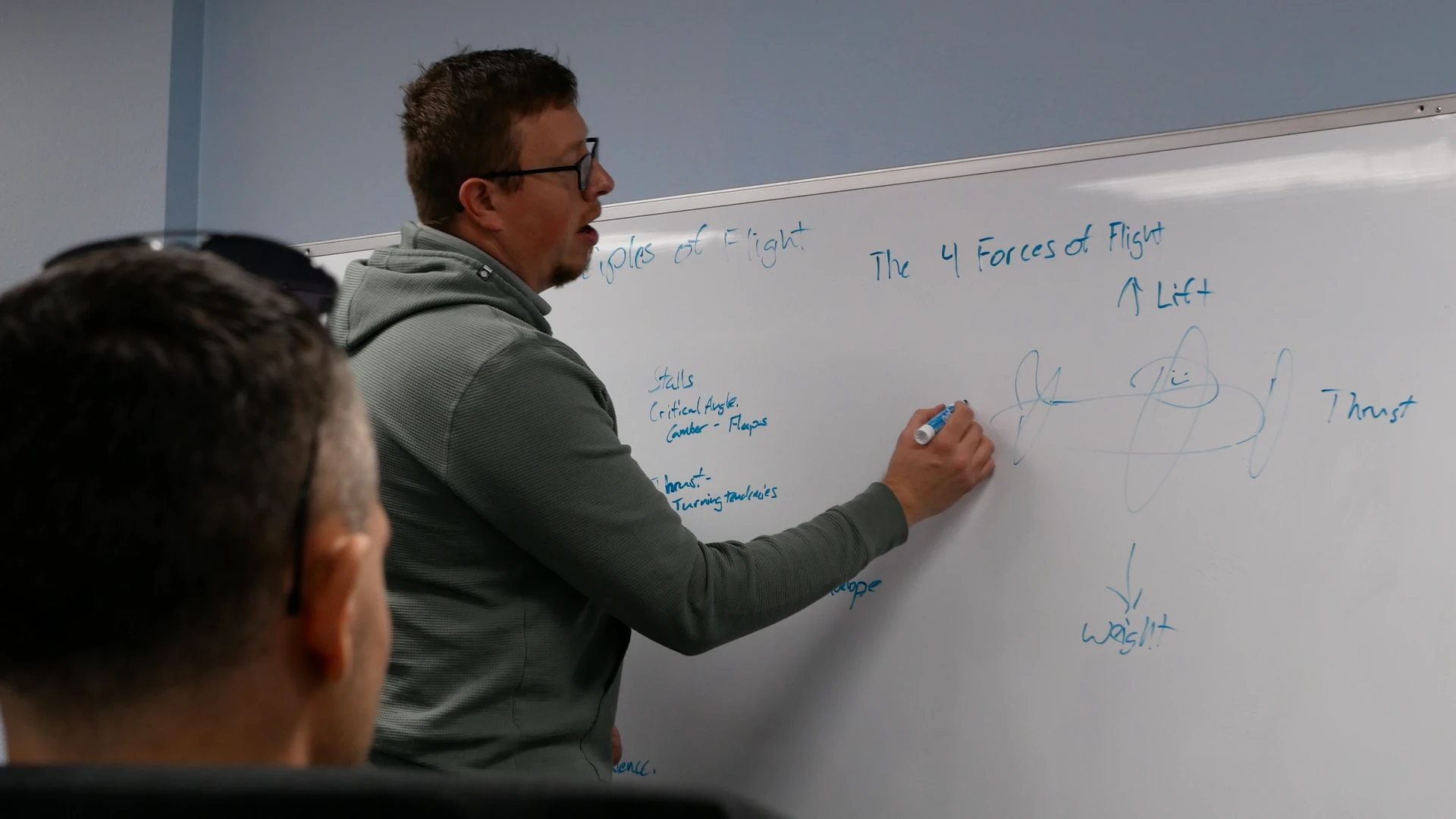
An honest pilot self-assessment belongs in the plan before anyone walks to the airplane.
Use PAVE to assess the entire flight
IMSAFE fits inside the Pilot portion of PAVE. The FAA’s PAVE checklist organizes flight risk into four categories:
| Category | What belongs in the scan | Planning questions |
|---|---|---|
| Pilot | Readiness, experience, recency, currency, and proficiency | Am I ready for this flight, not merely legal for it? What does IMSAFE reveal? |
| Aircraft | Airworthiness, equipment, performance, fuel, weight and balance, and suitability | Is this the right aircraft for the route, load, runway, altitude, and conditions? |
| enVironment | Weather, terrain, airports, airspace, visibility, wind, temperature, and night conditions | What can change, and where is my alternate, diversion, or stopping point? |
| External pressures | Schedule, passengers, pride, cost, reservations, and the desire to complete the mission | What is making me want this flight to happen even if the risk picture changes? |
PAVE counters tunnel vision. A pilot focused on weather may overlook fatigue; someone absorbed in performance calculations may minimize the influence of a passenger deadline. The full scan asks whether this pilot should fly this aircraft in these conditions. That broader view supports the habits discussed in our aviation safety training resources.
Combine the two checklists to catch stacked risk
Many difficult go/no-go decisions develop from several ordinary concerns that interact, rather than one dramatic warning sign.
Start with IMSAFE, then carry the result into PAVE:
- Identify the pilot condition. You slept poorly and notice that your concentration is slower than normal.
- Place it in the whole-flight picture. The planned flight also includes gusty wind, unfamiliar terrain, and a passenger who needs to arrive by a certain time.
- Assess the combination. Each item may look manageable alone. Together they reduce margin and increase workload.
- Choose a control. Delay, change the route, take an instructor, reduce the mission, or cancel.
- Recheck the plan. Make sure the proposed change actually reduces the identified risk instead of simply making the departure easier to justify.
This is the heart of aeronautical decision-making: the checklist reveals hazards that require assessment and action. It provides no automatic score or guarantee and must be used with current weather, aircraft information, regulations, and sound instruction. During checkride preparation, scenario questions often test this ability to connect knowledge with a real decision.
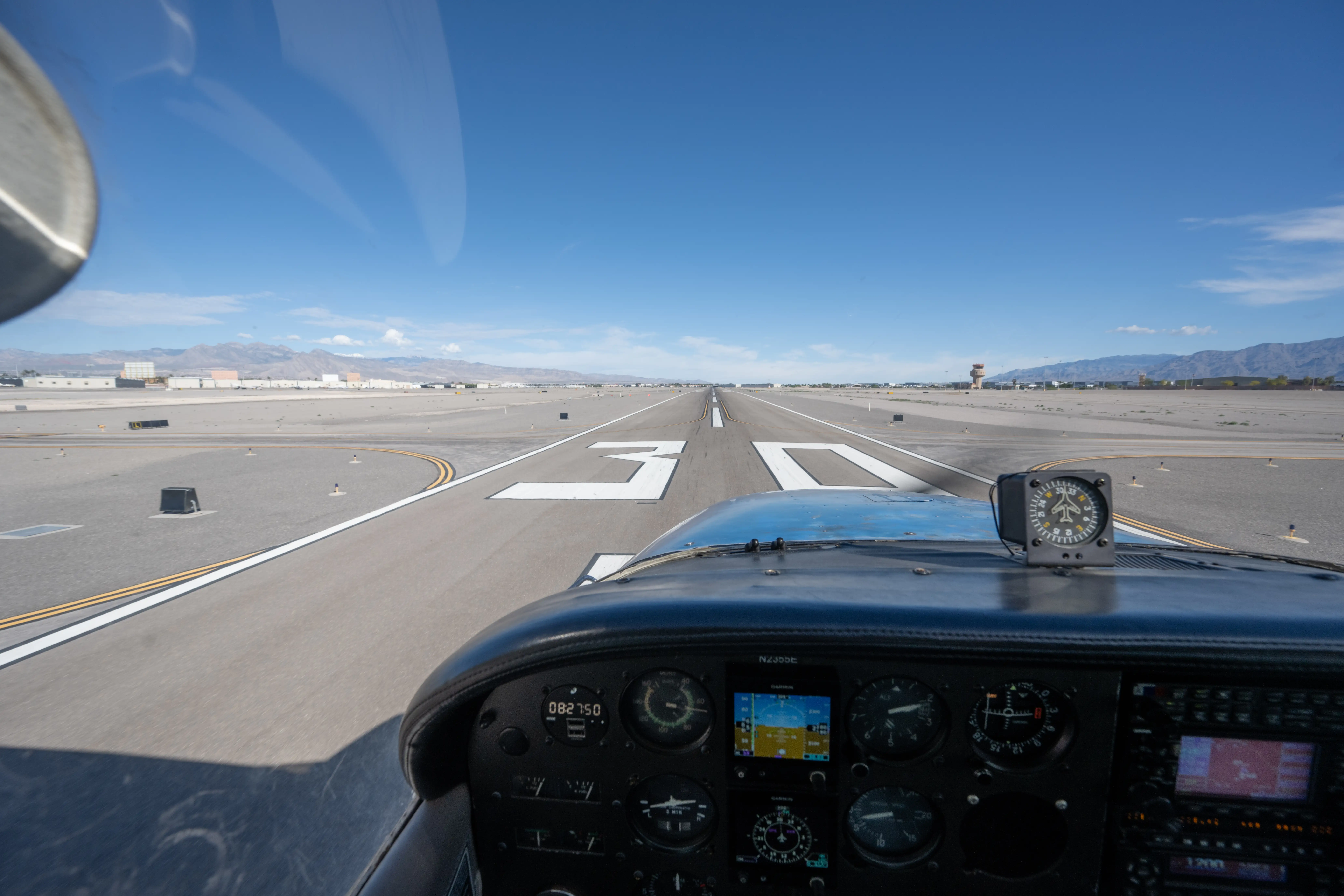
Good cockpit decisions begin with risks identified and managed before takeoff.
Watch a reasonable plan change at KVGT
Consider this illustrative scenario. You are planning a hot-afternoon departure from North Las Vegas Airport (KVGT). The wind is gustier than expected, the aircraft will carry passengers and baggage, and everyone wants to reach the destination for dinner. Actual decisions require current information and pilot-specific limits.
The first version of the plan sounds possible. Then you run the checklists:
- IMSAFE: You slept poorly and have been rushing since lunch. Fatigue and stress are both present.
- Pilot: You are current, but you have limited recent practice in the expected crosswind.
- Aircraft: The load requires careful weight-and-balance and performance calculations using the aircraft’s approved information.
- enVironment: Heat, gusts, terrain, route options, runway conditions, and the possibility of changing weather all deserve attention.
- External pressures: Passengers are ready, the reservation is made, and arriving late may disappoint them.
The completed checklist should lead to a change in the risk picture. Options include departing at a cooler, calmer time; leaving nonessential baggage; flying with an instructor; choosing a more conservative route; moving dinner; or postponing the flight. The appropriate choice depends on the actual pilot, aircraft, conditions, and current information.
Our hot-weather flight tips explain why Southern Nevada heat deserves operational respect. PAVE adds the equally important reminder that heat is only one part of the decision.

The right aircraft and the right conditions still need a ready pilot and room to change the schedule.
Turn checklist answers into specific actions
A useful decision checklist ends with a verb: continue, change, delay, divert, or cancel. Merely recording a hazard does not control it.
When an item appears, ask three follow-up questions:
- What could this hazard cause?
Fatigue may slow recognition and increase errors. A passenger deadline may make a worsening forecast easier to rationalize. - What can reduce the risk?
More rest, a different departure time, less payload, an instructor, another aircraft, a route change, or a no-go decision may create margin. - Did the change solve the problem?
Removing baggage may help performance, but it does nothing for a pilot who is unfit to fly.
Personal minimums make this process easier because you set boundaries before a tempting flight puts them under pressure. Those limits should reflect your current experience and proficiency, and they may be more conservative than a regulation or aircraft limitation. A legal limit is not automatically your personal limit.
Some scenarios are easier to discuss and repeat on the ground. Flight simulation can support procedure and decision practice when it fits the training plan, while the instructor helps keep the lesson tied to real aircraft and operational limits.
Build the habit while the stakes are still low
Practice IMSAFE and PAVE during ordinary lessons, well before a demanding trip puts the habit under pressure. Say the answers aloud with your instructor, compare current conditions with your personal minimums, and explain what would trigger a change.
Try this short routine:
- Before planning: Run IMSAFE without trying to defend the flight.
- During planning: Work through all four PAVE categories.
- Before departure: Revisit anything that changed, including weather, loading, equipment, timing, or personal readiness.
- When the plan changes: Identify the new hazard and decide whether the remaining margin is acceptable.
- After the flight: Debrief which risks you predicted, which surprised you, and what personal minimum deserves an update.
Consistency supports a flexible Part 61 training plan. On an unsuitable flying day, a ground lesson, simulator session, or reschedule can preserve learning momentum.
Cost can also create external pressure. If a delay could disrupt the budget, review flight training financing resources early and allow for weather, maintenance, and proficiency-related schedule changes. A realistic budget leaves room for conservative decisions.
Questions pilots ask before using IMSAFE and PAVE
Is IMSAFE part of PAVE?
Yes. IMSAFE supports the Pilot category of PAVE by checking illness, medication, stress, alcohol, fatigue, and emotion. PAVE also asks about pilot experience, recency, currency, and proficiency. New students can begin practicing that full scan during Private Pilot training.
Should I use IMSAFE or PAVE first?
Starting with IMSAFE is practical because an unready pilot can change the entire plan. Then use PAVE to examine the aircraft, environment, and external pressure around that pilot. The order matters less than completing both honestly and acting on the result.
Does a passed checklist mean the flight is safe?
No checklist guarantees a safe flight. IMSAFE and PAVE help identify hazards so you can assess and mitigate them. They work alongside current weather information, aircraft documents and performance data, regulations, checklists, instructor guidance, and sound judgment.
What should I do if medication appears on my IMSAFE check?
Do not make a flight-fitness decision simply from an internet article or another pilot’s experience. Check current FAA medication guidance and speak with an Aviation Medical Examiner about the medication and the condition being treated if necessary.
Can a student pilot set personal minimums?
Yes—with instructor guidance. Personal minimums give a developing pilot clear boundaries based on current experience and proficiency. They should become more informed as training grows, not more casual simply because the pilot has logged more time. Discuss them during your next flight training lesson.
Practice the decision before the stakes rise
Judgment is a skill developing pilots can practice, explain, and improve. IMSAFE checks the pilot. PAVE checks the whole flight. Their value appears when shrinking margins prompt a safer plan.
Ready to build those habits with an instructor at North Las Vegas Airport? Take one next step: enroll in flight training with Vegas Aviation.


